
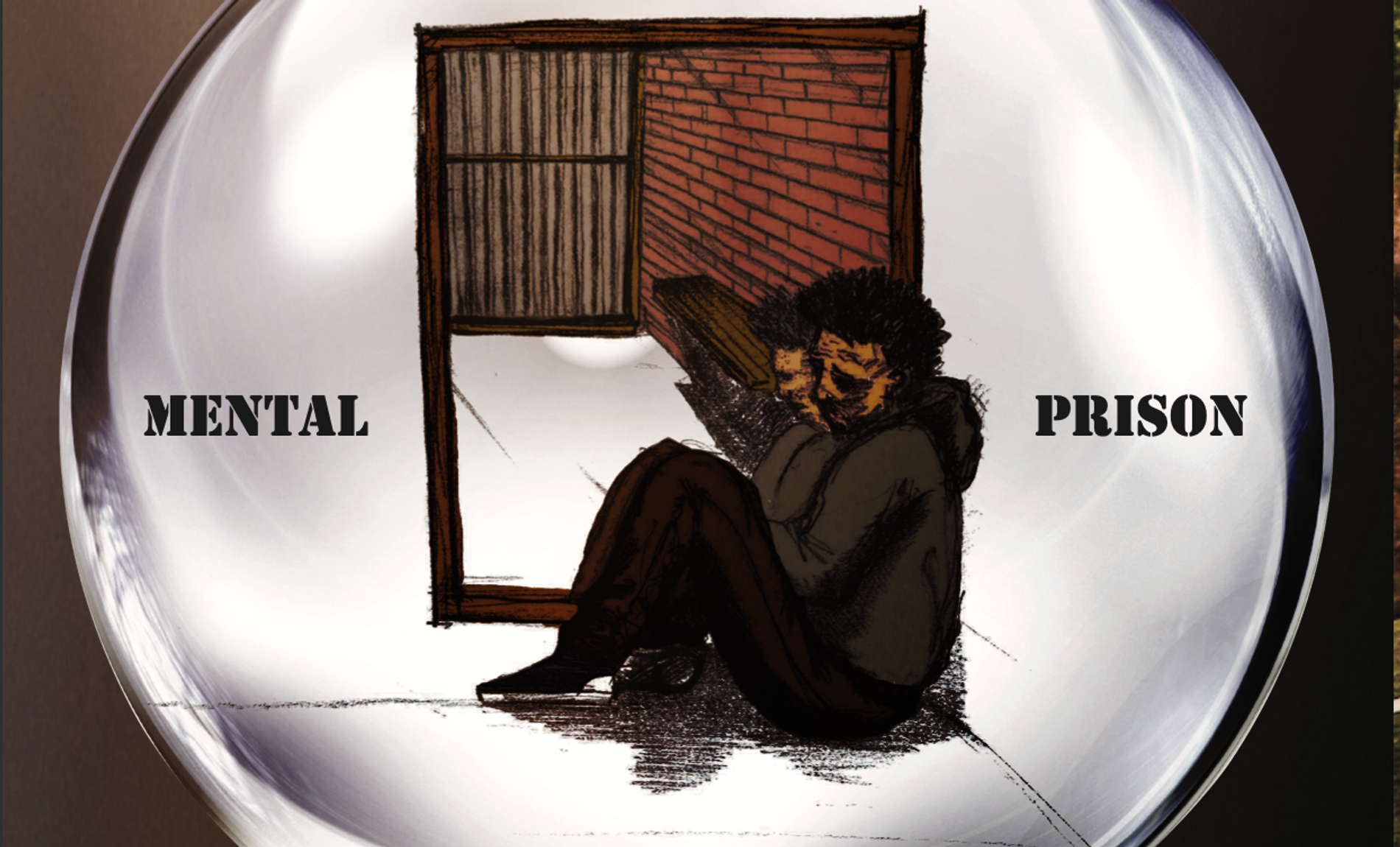
Suicide is defined as the intentional act of causing one’s own death. It is a complex issue driven by a combination of factors, primarily classified into mental health disorders and environmental stressors. Mental health factors often include depression, alcoholism, drug abuse, and post-traumatic stress disorder (PTSD). Environmental or stress-related factors can range from bullying and financial struggles to interpersonal difficulties.
In young people, these struggles are often exacerbated by the intensities of youth, such as relationship infatuation, unexpected pregnancy, or family instability. It is important to remember that no single reason usually causes suicide; rather, it is the cumulative effect of several underlying issues.
Suicide is the 10th leading cause of death worldwide. Every year, over 800,000 people take their own lives—a staggering statistic that translates to one person every 40 seconds. For those aged 15–44, it is a leading cause of mortality. In Ethiopia, estimates from 2012 indicated over 6,800 deaths by suicide, with a significant increase noted over the preceding decade, particularly among those aged 15–49.
Beyond mental health, several other factors contribute to suicidal ideation:
- Medical Conditions: Chronic pain, traumatic brain injury, cancer, or HIV.
- Psychological States: A deep sense of hopelessness or the perception of being a burden to others.
- Substance Abuse: This is the second most common risk factor after major depression.
- Gambling: Studies show that those struggling with gambling addictions have significantly higher rates of suicidal attempts.
The media also plays a dual role: it can increase risk by romanticizing the act, or it can decrease risk by responsibly raising awareness and providing resources for help.
Prevention begins with recognizing the warning signs. These include:
- Talking about wanting to die or feeling hopeless.
- Searching for methods of self-harm (e.g., searching online or seeking weapons).
- Withdrawing from friends and family or acting recklessly.
- Extreme mood swings or expressions of unbearable pain.
Common myths—such as the idea that suicide happens without warning or that only people with mental disorders are at risk—must be debunked. Most people who are suicidal show warning signs and are often looking for a way to be supported rather than a way to die.
Humans are social beings. We exist as fathers, mothers, children, and friends. A decision to end one's life ripples through these circles, causing immense trauma and shock to those left behind. Often, it is viewed as an act of "freedom without responsibility," neglecting the roles a person plays within their family unit.
The belief that death will bring pure relief is often based on false hope, as it involves leaving a rational world for an unknown abyss. True liberation from despair is achieved not through self-destruction, but by asking for help.
The loss of life through suicide is a profound tragedy. However, even when all seems lost, circumstances can change. There is always hope, and there is always a better way forward than through self-destruction. Advocating for the value of life and supporting those in pain is the ultimate solution.
Not that by the time you have read finished this article 4 people have committed suicide.
Join the Conversation
Comments
Leave a Comment
Your comment will appear after it has been reviewed and approved.
Conversation
0 commentsLoading comments...