
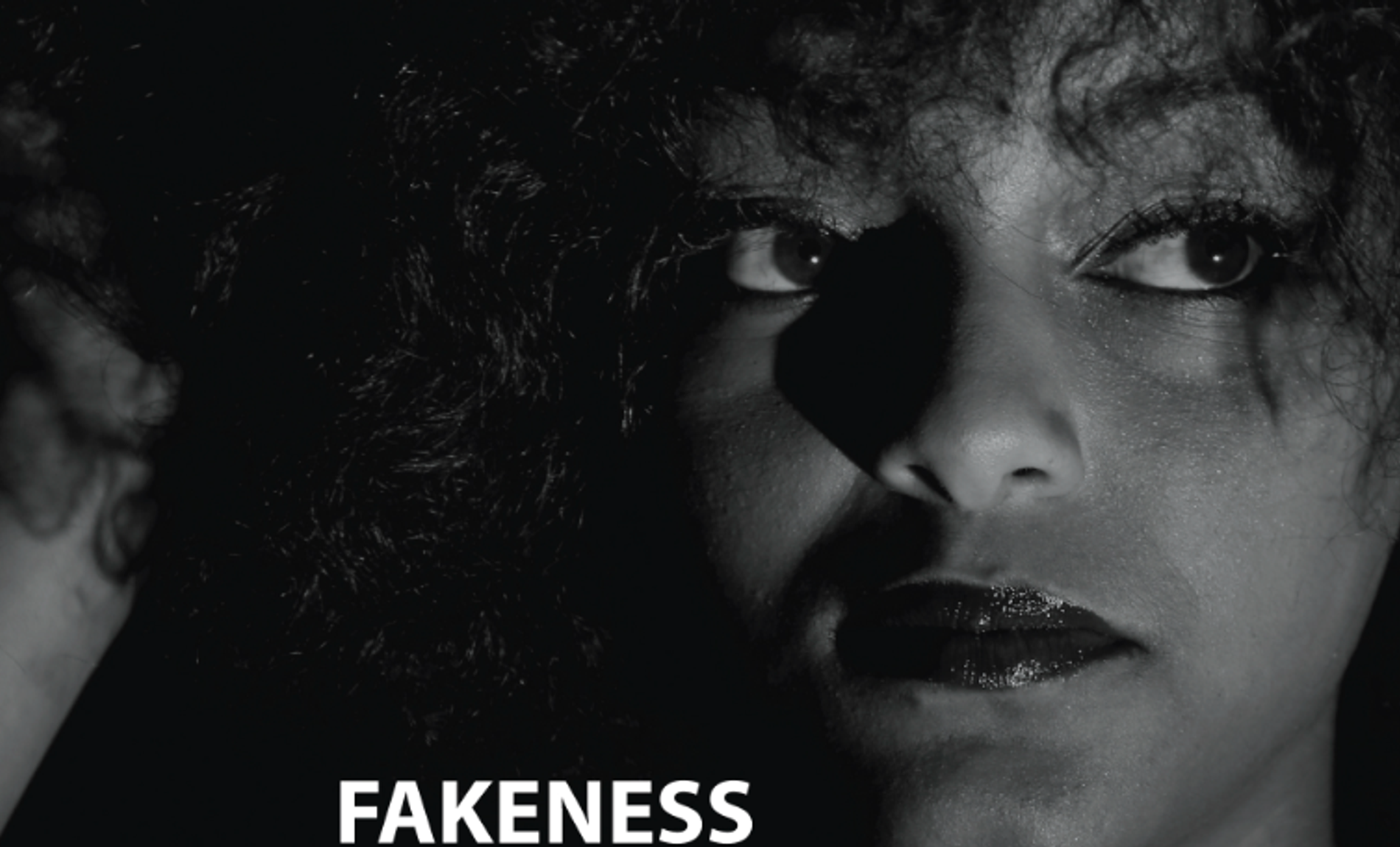
As children, every story we heard and every movie we saw seemed like a fairytale we wished would come true. These stories often shared a common, subtle lesson: they taught us that it is acceptable to act like someone we are not if it helps us gain something. Cinderella went to the ball in a disguise, hiding her true identity, and that very deception eventually made her a queen. The Evil Queen in Snow White and the Seven Dwarfs faked her identity to be accepted by Snow White, and her ruse initially worked perfectly. Aladdin, though a thief at heart, wore the mask of a prince to pursue what he desired. What we heard as children shaped us into believing that being "fake" was simply a means to an end, rather than a character flaw.The real world is no different. Every individual in society seems to carry multiple personalities: one version for home, another for school, and yet another for when we are out with friends. I often see people pretending to be someone they are not just to be accepted by those around them—driven by a hunger for love, a fear of being left out, or a longing for popularity. People go to great lengths to change who they are simply to avoid being seen as "different" from their peers.My sister once asked a profound question: "How many of us realize that dreaming of becoming the person we would like to be is a waste of the person we already are?" I believe those words say it all.While the stories of our youth taught us that pretending was a valid strategy—just as Aladdin used a mask to hide his reality—we must realize the danger in that lesson. Constantly dreaming of becoming someone else can cause us to lose sight of our own inherent value. When we trade our authenticity for acceptance, we discard the very treasure that makes us unique.
FAKENESS IS BEING A COPY O F THE GENUINE ARTICLE.
Join the Conversation
Comments
Leave a Comment
Your comment will appear after it has been reviewed and approved.
Conversation
0 commentsLoading comments...