
History remembers Ethiopia as one of the very few African nations that largely escaped direct colonial rule during the era of Western imperial expansion. While many African countries suffered under the oppression of foreign domination, forced labor, and systematic exploitation, Ethiopia maintained a sense of sovereignty that became a lasting symbol of pride and resilience for its people. The colonial era was not merely a political or economic system; it was a devastating assault on human dignity. It reduced the value of people according to the color of their skin, distorted the true meaning of humanity, and robbed countless societies of their identity, culture, and resources.
The effects of colonialism on Africa remain visible even today. Many nations continue to struggle with political instability, economic dependency, social fragmentation, and psychological wounds rooted in generations of oppression. Human slavery and colonial domination did not only exploit lands and labor; they also attempted to reshape how people viewed themselves. Entire populations were made to feel inferior, and many communities still carry the scars of those experiences. Ethiopia’s historical resistance against colonial occupation therefore became not only a political victory, but also a source of collective identity and pride across the continent.
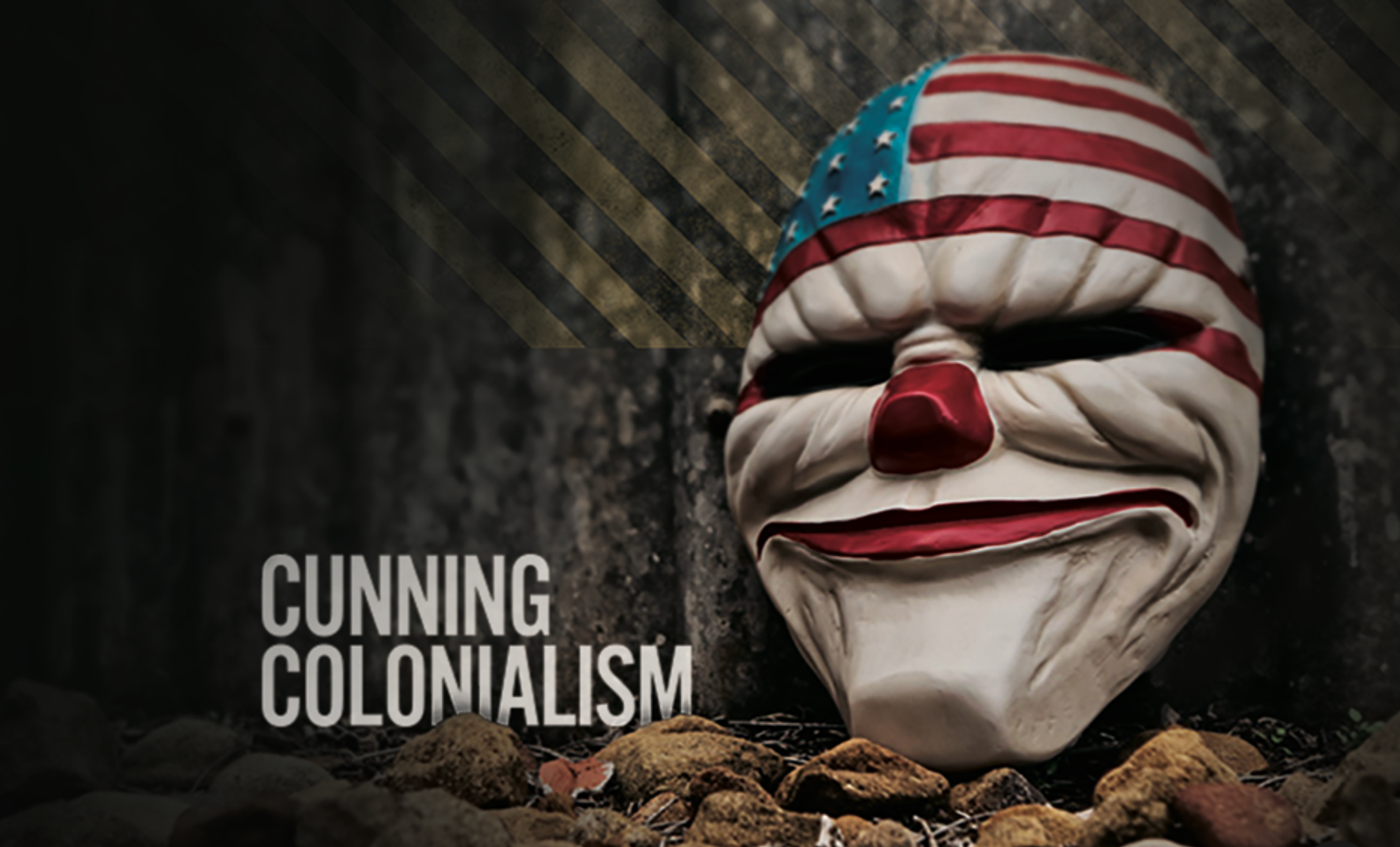
Yet although physical colonialism may have declined, another form of domination has emerged in the modern age—one that is more subtle, psychological, and deeply embedded in culture and media. Unlike the colonial powers of the past that used chains and weapons, this new form of colonialism operates through entertainment, consumerism, and the global influence of media industries. Through movies, music, television series, fashion, and social media, societies are increasingly being shaped by values and lifestyles that often disconnect people from their own identity, traditions, and moral foundations.
Modern popular culture, particularly through the global influence of Hollywood and Western media, has become a powerful force in shaping the thoughts and behaviors of young people around the world. Many forms of entertainment are presented under the label of “civilization,” “freedom,” or “modernity,” yet they frequently promote materialism, moral confusion, excessive individualism, and distorted standards of success. Without realizing it, many young people gradually absorb these values until they begin to define themselves according to external cultural expectations rather than their own heritage, beliefs, and purpose.
This modern form of colonization is especially dangerous because it targets the mind and character rather than territory alone. While older colonial systems focused on controlling land and labor, today’s cultural systems seek to shape identity, desires, and worldview. Human character is gradually molded by what people constantly watch, hear, and consume. As the saying goes, people eventually become what they repeatedly absorb. Endless exposure to entertainment and media can slowly erode critical thinking, weaken cultural identity, and replace meaningful purpose with distraction and superficiality.
The influence of modern media is often underestimated because its effects appear gradually. Countless hours spent consuming movies, television series, music, and celebrity culture can eventually shape perceptions of relationships, morality, success, and self-worth. Many young people find themselves emotionally invested in fictional worlds while becoming disconnected from their own real-life goals, responsibilities, and communities. In this way, modern entertainment can create a subtle form of captivity—not through physical force, but through psychological dependence and cultural conditioning.
The tragedy is that many societies proudly celebrate their historical escape from colonial rule while unknowingly surrendering to a new and more deceptive form of control. Invisible cultural forces now influence language, fashion, values, aspirations, and even personal identity. This modern oppression does not use chains, yet it still enslaves through distraction, confusion, and imitation. It replaces authentic identity with manufactured ideals and weakens the ability of individuals and societies to think independently.
However, history also offers hope. If previous generations possessed the courage to defend their freedom and preserve their national identity against physical colonization, then this generation must also develop the wisdom and strength to confront cultural and psychological colonization. The struggle today is not only political or economic—it is intellectual, moral, and spiritual. Protecting identity, values, and purpose requires intentional resistance against forces that seek to reduce human beings into passive consumers rather than thoughtful and purposeful individuals.
In conclusion, modern society must recognize that colonialism did not disappear; it merely changed form. While the chains of the past were visible, the chains of today are often hidden behind entertainment, trends, and media influence. The challenge before this generation is to discern whether modern culture is truly liberating humanity or quietly reshaping it into dependence and confusion. Only by recovering a strong sense of identity, purpose, and critical awareness can societies resist this new form of domination and preserve the dignity and freedom of future generations.
Join the Conversation
Comments
Leave a Comment
Your comment will appear after it has been reviewed and approved.
Conversation
0 commentsLoading comments...